How Do Commercial Mold Remediation Companies Assess Risk?
It starts with a question property managers ask every week: how do commercial mold remediation companies assess risk? They run a structured process that weighs the moisture source, the materials involved, and who breathes the air in each zone. The result is a priority rating for every suspect area, which decides the containment, the scope, and the cleanup order.
A Commercial Mold Risk Assessment Is Really a Priority Rating, Not a Mold Hunt
A residential inspection mostly answers one question: is mold present. A commercial risk assessment answers a harder one: which areas need attention first, which can wait, and what happens if the building keeps operating as is. Professionals working under IICRC S520 concepts build the rating from four factors, and each one changes the priority:
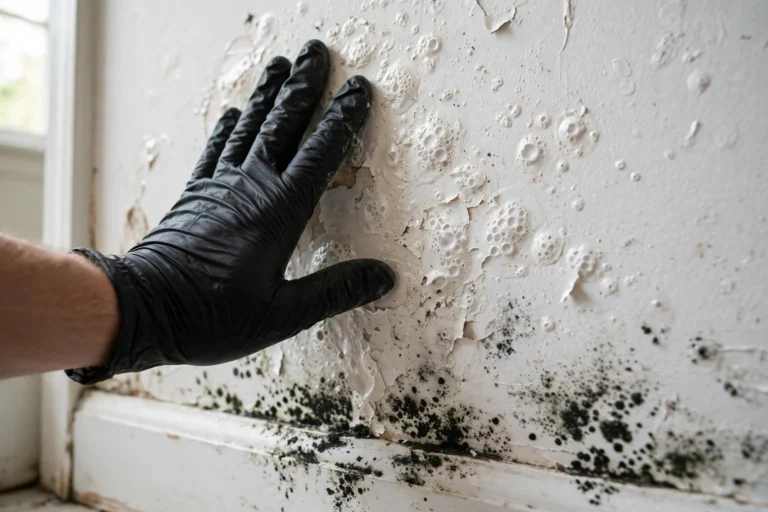
- Contamination condition: IICRC S520 describes Condition 1 as normal fungal ecology, Condition 2 as settled spores from a nearby problem, and Condition 3 as actual growth. Condition 3 zones outrank the rest.
- Moisture activity: a damp spot that is still wet today outranks a dry stain from a leak that was fixed last year, because mold mycelium only keeps growing while moisture feeds it.
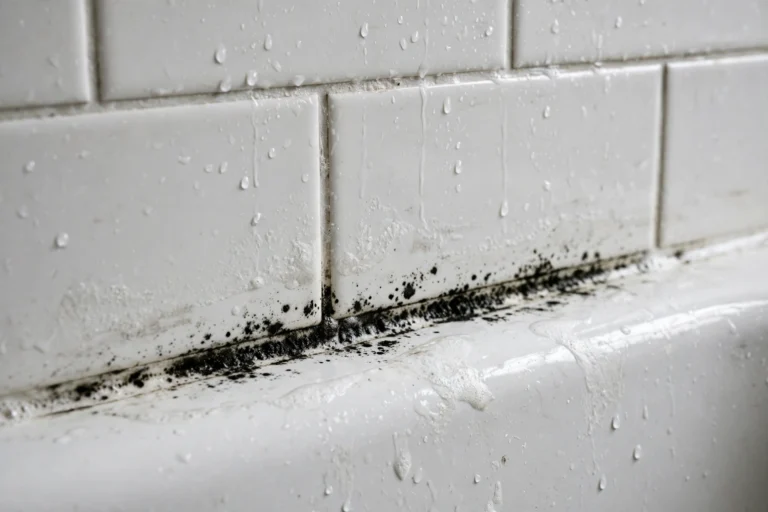
- Material vulnerability: porous materials like drywall, ceiling tiles, and insulation get a higher risk grade than non-porous materials like sealed concrete or metal, because growth inside porous material cannot be fully cleaned, so those materials usually have to be removed.
- Occupancy exposure: a storage room nobody enters grades lower than a call center full of people, a school, or a medical office, because more breathing occupants means higher exposure stakes.
The Assessment Starts With Interviews
That history matters because how do commercial mold remediation companies assess risk starts long before anyone touches a moisture meter, with interviews and building records. A good assessor talks to the facility manager first: when did occupants first notice the problem, which complaints keep repeating, what maintenance has been done, and where water has intruded before. Those answers focus the physical inspection on the right zones instead of the whole building at random.
Records of occupant complaints are especially valuable. If three suites on the same side of a building report musty odors after heavy rain, the pattern points to an envelope or roof problem. Maintenance logs showing repeated condensation calls near an air handler point to a system problem, and prior water damage that sat for a week tells a different story than a leak that was dried quickly.
The assessor also reviews how the building is actually run: custodial practices, filter-change schedules, whether restrooms and kitchens are properly exhausted, and whether anyone has painted over stains instead of investigating them. Cosmetic cover-ups are a red flag because the moisture feeding the colony is still there. The assessor also coordinates with a building contact who can open mechanical rooms, tenant suites, storage areas, and roof access, because an assessment can only describe the areas that were available for review.
Moisture Mapping Is the Core of the Whole Assessment
Every serious commercial assessment is, at its heart, a moisture investigation. Mold spores are everywhere outdoors and indoors; what turns them into a problem is sustained dampness. That is why EPA guidance puts moisture control first: clean the mold, then eliminate the water source, or the colony returns.
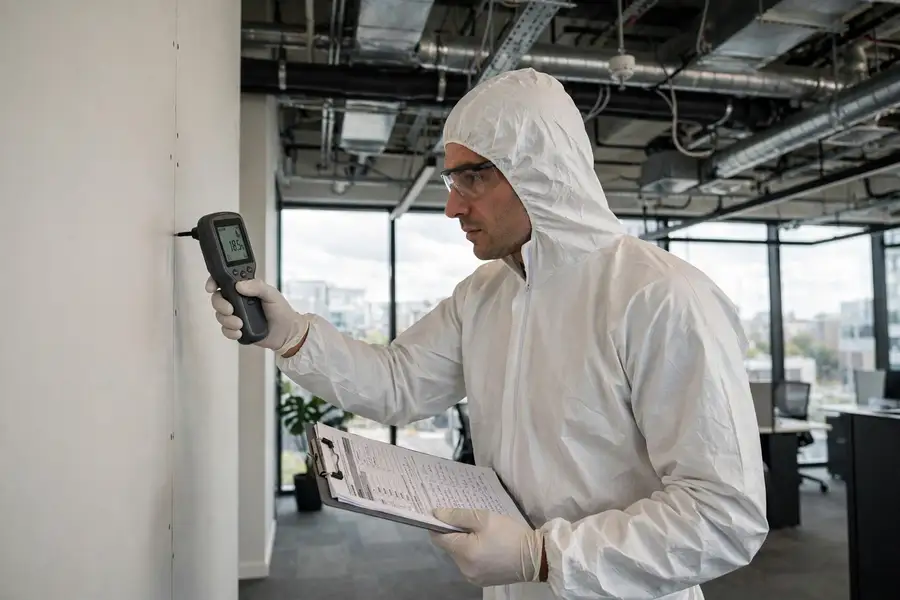
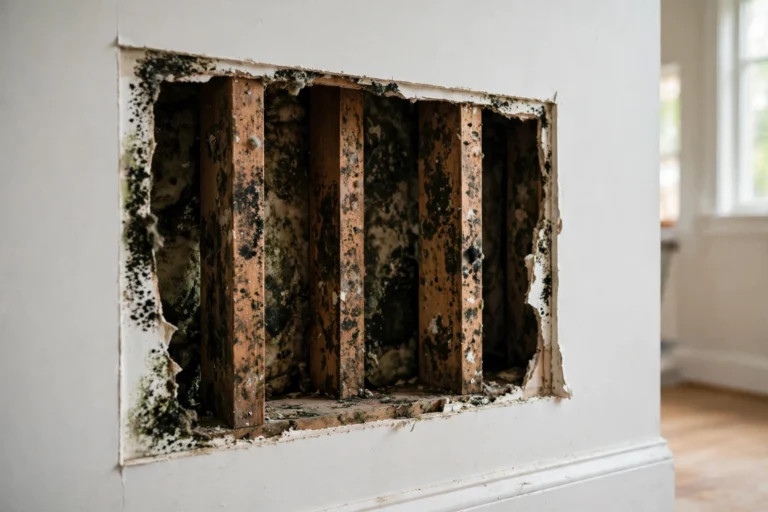
The assessor maps moisture across suspect zones with pin and pinless moisture meters, thermal imaging to spot hidden wet areas behind walls or above ceilings, and psychrometric readings of temperature, relative humidity, and dew point. Comparing indoor readings to outdoor conditions shows whether the building is holding excess moisture or just mirroring a humid Florida day.
Tracing the water pathway matters more than photographing the stain. A ceiling tile with mold is the symptom; the risk assessment must find whether the cause is a roof leak, a sweating duct, condensation from a poorly insulated pipe, or seepage at the slab edge. In South Florida, assessors pay extra attention to roof penetrations after storms, ground floors near canals where water can wick upward, and flat roofs where ponding water overloads drains. EPA notes that mold can begin growing on damp materials within 24 to 48 hours, which is why a wet area discovered days after a storm gets an urgent grade.
HVAC Systems Get Their Own Risk Pass Because They Move the Problem
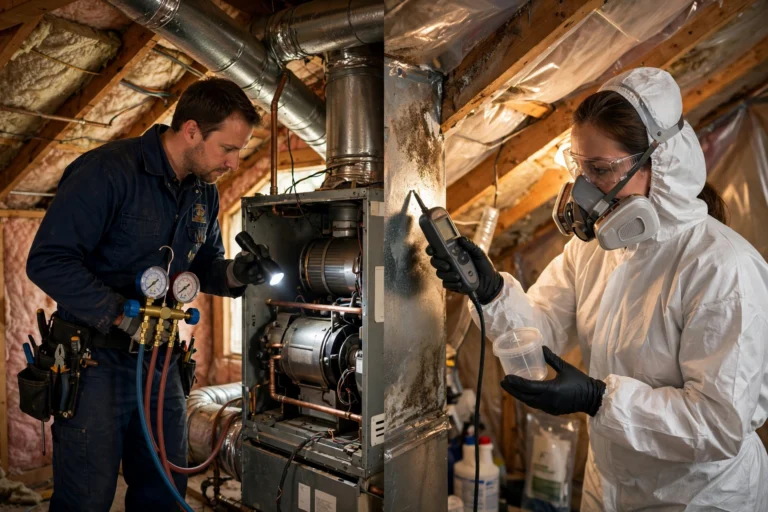
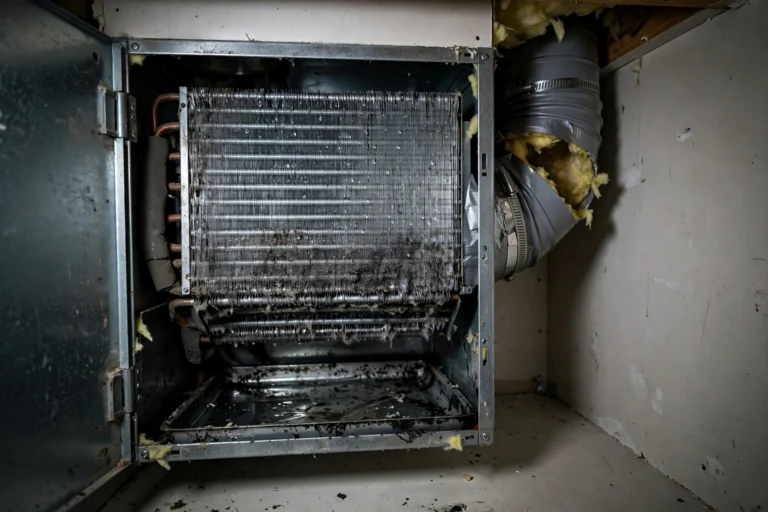
In a commercial building, the air system is both a suspect and a suspect-mover. Assessors evaluate each HVAC zone separately: supply and return plenums, coils and drain pans, filter condition, duct liners, and whether the system could be distributing spores from a contaminated zone into clean ones. A colony confined to one storage room is a local problem, while one in a return plenum above an open office is a building-wide one, and the risk grade reflects that difference.
Multi-zone buildings get special attention because one contaminated zone can reseed others through shared ductwork. The assessment maps which systems serve which areas, whether shutdowns or filtration upgrades are needed before remediation, and how containment will keep occupied areas safe. Condensate drain lines, outdoor air intakes near standing water, and chronically damp fiberglass duct liner are classic high-grade findings in Florida commercial properties.
If you are deciding who should evaluate the air system itself, our guide on who should check for mold in an HVAC system walks through when to call the HVAC technician, the mold assessor, or the remediator.
Sampling Is a Decision Tool, Not a Default Step
One of the most misunderstood parts of a commercial assessment is when testing is actually useful. EPA guidance is clear that in most cases, when visible mold growth is present, sampling is unnecessary: the moisture investigation already tells the team what to do. Samples are worth taking only when they will change the plan.
Samples answer real questions in specific situations: confirming whether a suspicious stain is actually mold, checking whether hidden growth exists inside a wall cavity, documenting conditions for an insurance claim or a tenant dispute, and verifying after cleanup that spore levels have returned to normal. For air sampling, an outdoor control sample is collected alongside indoor samples so the lab can compare profiles rather than judging indoor numbers in isolation.
Laboratory analysis can identify genera such as Aspergillus, Penicillium, or Stachybotrys chartarum. That helps in legal and insurance contexts, but it rarely changes the cleanup method. There are no federal standards for acceptable indoor mold spore concentrations, so a lab number only means something when it is connected to a building condition and a decision. Some species produce mycotoxins, which is why assessors wear proper respiratory protection and set up containment before disturbing colonies. The CDC notes that health effects vary by individual, so anyone with ongoing symptoms should consult a healthcare provider.
Florida Adds a Licensing Layer Most Commercial Owners Miss
In Florida, mold assessment is a licensed activity with a legal firewall behind it. State law treats growth above 10 square feet as the trigger for a formal assessment, in which the assessor documents the origin, identity, location, and extent of the growth. The company that assessed the structure may not offer or perform the remediation on that same structure within the previous 12 months, so the company grading the problem cannot inflate the scope and then collect the cleanup contract.
For a commercial owner, that means asking two questions before anyone starts: who holds the Florida mold assessor license for this inspection, and who will perform the remediation as a separate party. Verify the license through the state licensing resources rather than trusting a logo on a truck. A written proposal should keep inspection, sampling, planning, cleanup, reconstruction, and verification as separate line items, and any company offering both services must explain exactly how the assessor and remediator roles stay separated on your building.
The Written Report Is the Deliverable That Protects You Later
The assessment ends with a report, and for commercial owners the report is the product that keeps paying. A defensible report lists the areas inspected and those that could not be accessed, the moisture readings and photographs behind every finding, laboratory results tied to their locations and purposes, the limits of the assessment, and the recommended next steps in priority order.
That documentation chain is what makes the assessment useful beyond the cleanup. Insurers, tenant attorneys, and transaction teams all ask the same thing: can you show a dated record of what was found, what was done, and what was verified afterward? A report built on measurements, photos, and lab results holds up. A one-page quote does not.
The report should also define the remediation protocol: which materials get removed, which get cleaned, what containment and negative air pressure setup is required, and what clearance criteria the finished work must meet. After remediation, an independent clearance check confirms moisture conditions are stable and spore levels are back to normal before containment comes down, so a property manager can tell tenants and owners the space is ready with evidence, not just assurance.
Occupied Buildings Get Phased Zones Planned at Assessment Time
Commercial assessments differ from residential ones in one more practical way: the building has to keep running. The assessor grades the logistics too, dividing the work into zones that can be contained and remediated in phases so unaffected areas stay open. That planning covers crew and debris access routes that avoid customer corridors, work hours that minimize disruption, noise and dust controls, and HEPA-filtered negative air pressure inside containment so spores do not drift into occupied suites.
Multi-tenant properties get extra care because shared walls, ceiling plenums, and HVAC pathways can carry contamination between suites. The assessment identifies which adjacent spaces need protective barriers and which tenants need advance notice. A strip center with a shared roof can turn one suite’s roof leak into three suites’ mold problem.
Frequently Asked Questions
Who should do a commercial mold risk assessment?
A licensed mold assessor, separate from the company performing the remediation. In Florida, the assessor and remediator on the same structure must be separate parties within a 12-month window, so hire the assessment as its own step and keep the documentation independent.
How long does a commercial mold assessment take?
It depends on the size and complexity of the building. A small retail suite with one concern can take a couple of hours; a multi-floor building with several HVAC zones, prior water events, and multiple suspect areas can take a full day. Laboratory analysis adds 24 to 72 hours after the site visit before the final written report is complete.
Is mold testing required in a commercial building?
No. When mold growth is visible and the moisture source is identified, sampling adds little. Testing earns its place when it answers a question: hidden growth inside cavities, documentation for insurance or disputes, or clearance verification after remediation.
What does a commercial mold assessment cost?
The price is driven by cost factors, not a flat fee: square footage, number of floors and HVAC zones, how many suspect areas need investigation, how many samples are taken, and how complex the report must be. What matters more than the figure is whether the report gives you measurements, photos, and a priority plan you can act on.
Can a tenant order a mold inspection for my building?
A tenant can document and report a concern, but an on-site inspection requires the property owner’s authorization. Take written tenant complaints seriously, log them with dates and photos, and schedule the assessment promptly. That paper trail is your best protection if a dispute follows.
Does mold in one suite mean the whole building is at risk?
Not automatically, but the assessment must check the shared pathways first. Shared HVAC zones, connected ceiling plenums, and common-wall cavities can carry spores and moisture between suites. One suite’s unresolved leak is a risk to its neighbors until the pathway check says otherwise.
What if mold is found above the ceiling tiles but not in the rooms below?
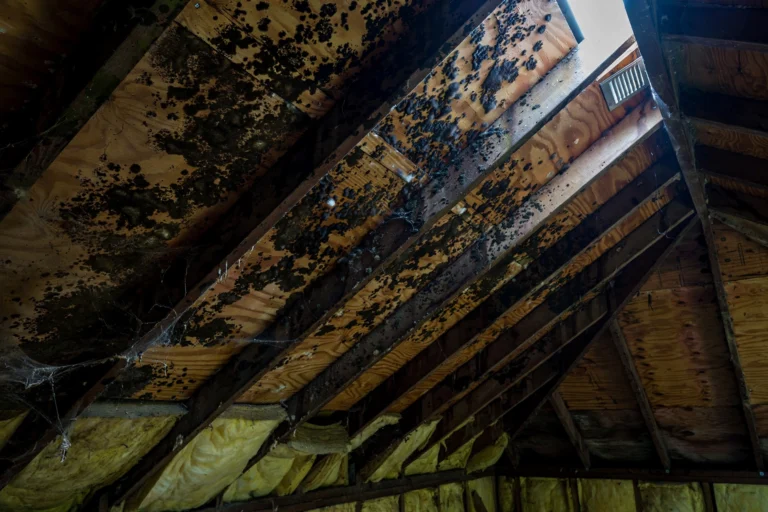
That is one of the most common commercial findings, and it still gets a serious grade. Ceiling tiles and the insulation above them are porous materials that hold growth well, and the plenum often connects to the HVAC system or adjacent suites. The assessment traces the moisture source above the ceiling and checks whether the air system is pulling spores into occupied space.
Talk to a Commercial Mold Specialist in Hollywood FL
If you manage a commercial property and want facts instead of guesses, start with a real assessment. A proper risk assessment maps the moisture, grades every zone by priority, and hands you a written report you can act on. Call +1 (954) 676-1007 to schedule a commercial mold inspection and remediation assessment in Hollywood FL for your building. You can also find our service area on Google Maps.
Should I shut down my HVAC if I suspect mold in my office?
Do not shut it down abruptly or open ducts to look inside, because disturbing the system can spread spores. Keep occupants out of the suspect area, leave the system running, and call a licensed assessor. The assessment determines whether shutdowns are needed during remediation.
Can I just paint over mold in a commercial suite before a new tenant moves in?
No. Paint seals in the moisture feeding the colony, the mold keeps growing underneath, and the cover-up creates a documentation problem if the tenant later discovers it. Investigate the moisture source, remediate properly, and keep the records. Fresh paint over active mold turns a maintenance issue into a liability.
Do I need air testing before and after remediation in my store?
Before, only if sampling would change the plan. After, clearance testing is strongly recommended for commercial spaces. Post-remediation verification with an outdoor control comparison gives you documented proof the space is back to normal conditions.
How quickly can a commercial mold assessment happen after I call?
A straightforward assessment can usually be scheduled within a few days, and active water events get priority because mold can start growing within 24 to 48 hours on wet materials. When you call, describe the water source, the affected areas, and whether the building is occupied so the assessor plans access in advance.
3 Comments