What to Expect When Hiring a Commercial Mold Remediation Company
When you hire for commercial mold remediation in Florida, expect two separate licensed roles: an assessor who diagnoses the problem and writes the cleanup protocol, and a different remediator who performs the work. Expect a written scope before work starts, contained work zones with negative air pressure, and final verification by the assessor, not the company that did the cleanup.
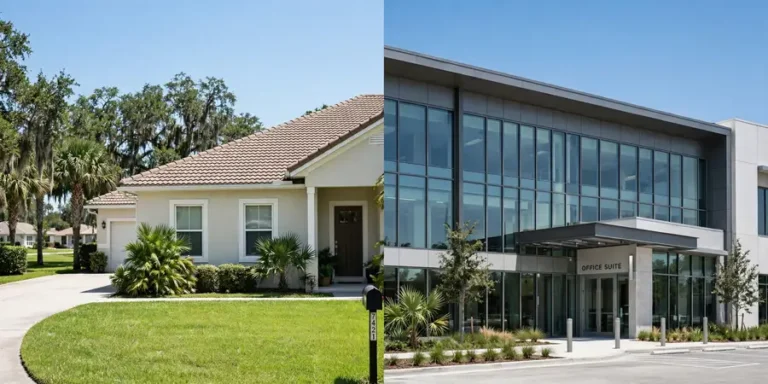
Hiring mold help for offices, retail space, or multi-unit housing carries higher stakes than a home job: tenant complaints, insurance documentation, and Florida licensing rules most first-time buyers have never heard of. Our overview of commercial mold remediation services in Hollywood FL covers the work itself; this guide covers the hiring experience, so you can spot a professional operation before anyone signs.
The first call is a triage, not a sales pitch.
A professional intake sounds like an interview: expect questions about the water history, which areas show growth or odor, the rough size of the affected area, whether tenants occupy the space, and how quickly a crew can get access. The call should end with a scheduled inspection, not a price.
Be wary of any firm that quotes a firm price from photos alone or pushes an immediate start. Growth hides behind walls and inside ductwork, so the true scope is unknown until someone measures moisture on site.
In Florida, assessment and remediation are two separate jobs by law.
Under Florida Statute 468.8419, the same company generally cannot both assess and remediate the same structure: a licensed assessor may not remediate a building assessed by that assessor or the assessor’s company within the last 12 months, and the mirror rule applies to remediators. Neither side may hold a financial interest in the property or exchange referral fees.
The logic is simple: the company that finds the mold should not profit from the size of the cleanup, and the company that does the cleanup should not grade its own work. If one firm offers to do both, that is a legal red flag, not a convenience.
Verify licenses through the Florida Department of Business and Professional Regulation license search: a current Mold Remediator license, general liability insurance covering mold-related claims, and workers’ compensation. If you are unsure whether your building needs a commercial-grade crew, read how commercial work differs from residential jobs.
The written protocol is the blueprint every bidder quotes against.
For contamination beyond a small patch, Florida expects a licensed assessor to produce a written remediation protocol before removal begins, specifying the work areas, material quantities, cleanup methods, containment requirements, worker protection, and the clearance criteria the job must pass.
Hire the assessor first, then take the protocol to each bidder. Without a shared protocol, one bidder quotes full containment while another quotes a spray-and-wipe, and you cannot tell which price reflects real work. For background on what the assessor measures first, see how risk gets assessed before remediation begins.
A serious quote reads like an inventory, not a guess.
A professional commercial quote itemizes the work: measured square footage, remove-versus-clean decisions by material, containment and air filtration type, disposal, drying, HVAC handling, the moisture-source repair, rebuild work, a timeline, and written exclusions.
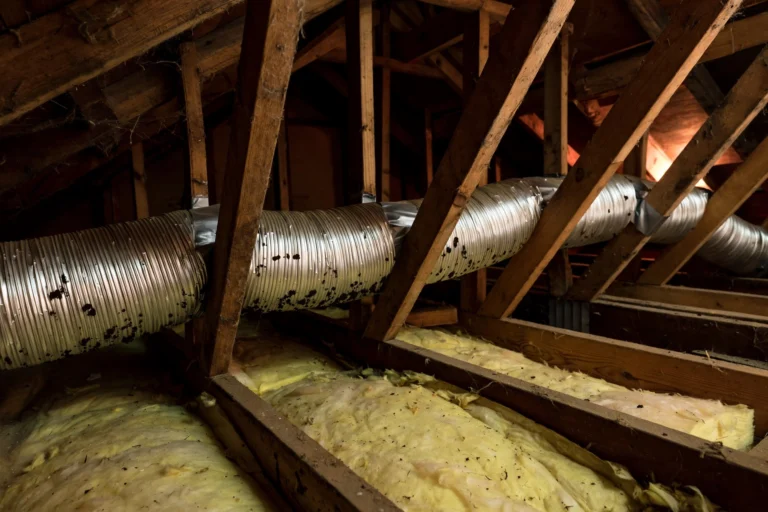
The remove-versus-clean decision follows material science. Porous materials like drywall, insulation, and ceiling tiles get removed and replaced once colonized, because the mycelium grows into the material. Non-porous surfaces like metal ductwork can be HEPA-vacuumed and cleaned, while wood framing is typically cleaned and sanded. A bidder who plans to clean saturated drywall is cutting corners. One who demolishes everything without explaining why is padding the job. Ask every bidder to state exclusions in writing, since the cheapest bid often leaves out clearance testing or disposal.
Containment in an occupied building is something you can see and check.
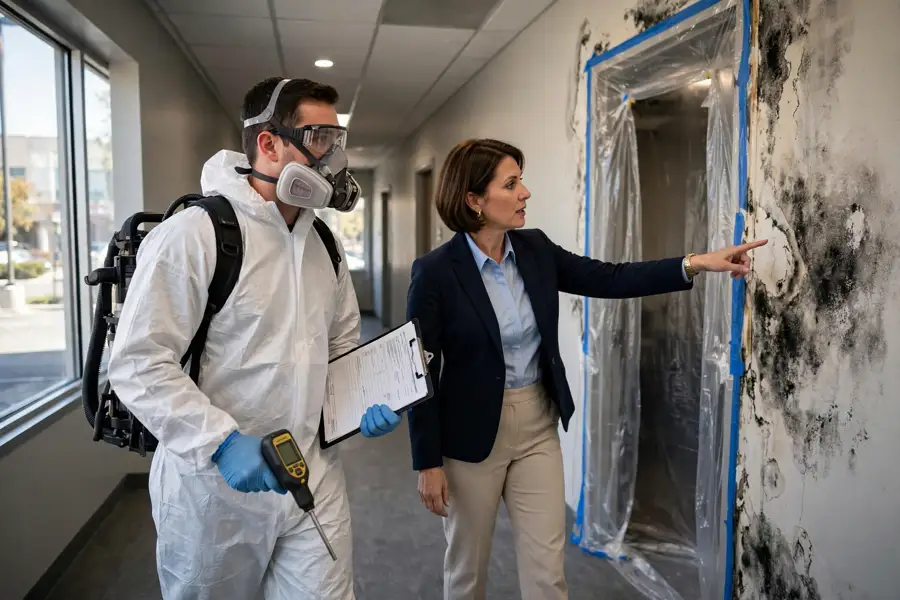
On work day one, expect plastic sheeting up before any demolition. The EPA’s commercial-buildings guidance describes limited containment for areas between 10 and 100 square feet: a single layer of 6-mil fire-retardant polyethylene, with supply vents, doors, and chases sealed. Larger jobs get full containment with framed barriers. The zone must stay under negative air pressure via HEPA-filtered fans exhausted outside.
Walk the site and look for it. Ask the crew lead how they verify negative pressure daily and protect adjacent suites. Localized work often lets a business stay open while one zone is contained. A contractor who cannot explain the containment plan in specifics has not planned one.
The moisture source gets fixed first, not last.
The EPA states the principle plainly: if you clean up the mold but do not fix the water problem, the mold problem will most likely come back. Before the job is declared complete, the leak, plumbing failure, or ventilation failure that fed the growth must be repaired or assigned to a named party.
Ask directly who owns the source repair. In South Florida’s humid climate the culprit is often a slow AC condensate drip, and prolonged moisture selects for species like Aspergillus and Stachybotrys chartarum, whose mycotoxins make thorough removal and drying even more important.
Documentation is a deliverable you collect at every stage.
You should receive the assessor’s protocol and pre-work photos before work starts, dated progress photos and daily moisture meter readings during the job, and disposal receipts, final moisture verification, and the clearance report at closeout. Chain of custody paperwork should accompany any lab samples.
Your insurer will ask for this file after a covered water event, and it is your defense if a tenant later claims the problem was ignored. Keep your own hand-held moisture meter on site and take your own dated photos at each stage.
Post-remediation verification must come from someone with no stake in the result.
The independent assessor returns after the work: a visual check that all growth is gone, moisture readings confirming the area is dry, and air or surface samples compared against baseline or outdoor controls. Treat any remediator offering to certify its own work as a disqualifying red flag.
Seven questions that separate real pros from amateurs.
Any commercial mold remediation company worth hiring will answer these questions in plain terms and put the answers in writing.
- What is your Florida Mold Remediator license number, and where can I verify it? Expect a direct answer plus proof of insurance.
- Will a licensed assessor write the protocol, and who performs clearance testing? The right answer names a separate licensed assessor for both.
- What containment and negative air setup will this area need? Listen for specifics: polyethylene barriers, HEPA-filtered negative air, sealed vents.
- Which materials will you remove and which will you clean, and what decides that? The answer should reference material porosity.
- How will you find and fix the moisture source? Moisture meter readings and a named repair plan belong in every scope.
- What documentation will I receive, and at which stage? Expect photos, moisture logs, chain of custody, disposal receipts, and the clearance report.
- What does your workmanship warranty cover, and for how long? Get coverage, duration, and exclusions in writing.
Red flags that should stop the hire.
Walk away from any firm that plans to fog, paint over, or seal visible mold and call it finished. Walk away from the just spray it pitch with no containment talk, from bidders who take no moisture readings, and from anyone quoting a firm price from photographs alone.
- Pressure to start work before you have reviewed a written protocol.
- One company offering to both assess and remediate your building.
- Testing dismissed as unnecessary, while the same firm plans to certify its own work.
- No proof of a current Florida Mold Remediator license or required insurance.
- A quote far below the others with no clear explanation of what was excluded.
Tenants and staff need a communication plan, not silence.
When a tenant reports mold, acknowledge the complaint promptly, generally within 24 hours, and schedule an inspection soon. Do not dismiss the report as dirt or poor housekeeping before inspecting, since an early conclusion damages trust and delays repairs.
Record what occupants report without diagnosing. The CDC notes that mold exposure can trigger respiratory symptoms in sensitive individuals, but a property manager is not a medical professional. Give written notice before work starts covering who enters, when, and which areas are affected, then provide short updates at each milestone. Employers should also note their duty under the OSHA General Duty Clause to address indoor air quality concerns.
Frequently asked questions
Who provides commercial mold remediation, and do I need one firm or two?
A licensed mold assessor inspects the building, finds the moisture source and extent of growth, writes the protocol, and performs final verification. A licensed mold remediator handles containment, removal, cleaning, and drying. In Florida these must be separate companies for the same structure.
How can I check whether a commercial mold remediation company is licensed in Florida?
Use the Florida Department of Business and Professional Regulation online license search. Confirm a current Mold Remediator license for the removal firm and a separate Mold Assessor license for the inspection firm, check for complaints, and ask for current certificates of general liability and workers’ compensation insurance.
Can our business stay open during commercial mold remediation?
Often yes for localized work: proper containment with negative air pressure lets one zone be remediated while the building operates normally. Larger jobs affecting the HVAC system or multiple suites may need partial closure.
What is a mold remediation protocol, and do I really need one?
The protocol is the assessor’s written plan: work areas, material quantities, cleanup methods, containment specs, and the clearance criteria the job must pass. It is the standard starting point for licensed work in Florida and lets you compare bids fairly.
Why can’t the company that finds the mold just remove it?
The conflict of interest is structural. A firm paid to remove mold has a financial reason to find more of it during assessment and to declare its own work successful afterward. Florida law removes that conflict by separating the roles for 12 months on the same structure.
What paperwork should I have when the job is done?
Collect the protocol, progress photos, moisture meter readings, the chain of custody for lab samples, disposal receipts, and the independent verification report. Keep the complete file with your building records for insurance claims and tenant questions.
Who pays for mold testing in a multi-unit building, the HOA or the unit owner?
It follows the moisture source. Mold tied to a common element, such as a shared roof or common plumbing riser, is generally the association’s responsibility. Mold from a source inside the unit is generally the owner’s. Boards often authorize testing first and assign the cost once the assessor identifies the origin.
What happens first when a mold remediation crew shows up at my office building?
They should set up containment before touching anything: plastic barriers, sealed vents, and negative air machines running, then photos and moisture readings. If a crew starts tearing out drywall with no containment in place, stop the work.
Can the same company handle the mold inspection and the cleanup in Florida?
No, not for the same building. Florida law bars the assessing company from remediating the same structure for 12 months, and vice versa. Hire a licensed assessor for inspection, protocol, and clearance, and a separate licensed remediator for the cleanup.
How do I tell my tenants about planned mold work without causing a panic?
Be factual and brief: what was found, which areas are affected, when the work happens, and how containment keeps the rest of the building safe. Share the clearance result when it passes.
One remediation bid is much cheaper than the others. Should I take it?
Not without asking what was left out. Low bids commonly exclude clearance testing, HVAC treatment, disposal, drying verification, or the rebuild. Ask every bidder for the same line items and written exclusions, then compare.
Talk through your commercial project before you sign a scope.
Hiring for a commercial building follows a legal structure: independent assessment, a written protocol, contained work, and third-party verification. When each step is handled by the right licensed party and documented as you go, the project protects your tenants, your insurance position, and your budget.
Mold Removal Hollywood connects property managers, HOA boards, and business owners in Hollywood FL with local service contractors. To talk through what the assessment, protocol, and verification steps would look like for your building, call +1 (954) 676-1007.


2 Comments